by M. A. Torrent
“Consolidating information power in a few massive platforms can be problematic. Some economists compare misinformation to pollution. Prebunking – or inoculating people before they encounter falsehoods – can significantly bolster defenses. Another potent way to curb disinformation is by targeting its profitability.“
This is the second half of a two-part series on cognitive warfare.

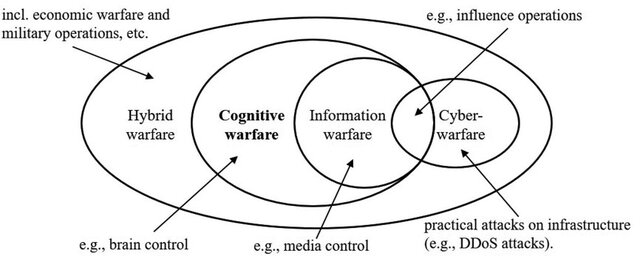
In Part 1 of this article I introduced the problem of cognitive warfare weaving its way into our information ecosystems. Cognitive warfare, in short, is a strategy to influence or manipulate a population’s perceptions, beliefs, and therefore decisions by exploiting psychological vulnerabilities through available media systems, often via misinformation tactics. Fuelled by the interactive dynamic between AI-driven misinformation, cognitive biases and groupthink, the collision between truth and democratic discourse is rapidly becoming louder. Yet it would be an oversimplification to conclude we, the general public, are merely helpless victims. It may still be possible to reclaim and reshape the digital commons to serve our collective intelligence, rather than exploit our collective memories. In this Part 2 we shift our attention toward an array of potential remedies; whether by reforming existing platforms or creating entirely new ones, fighting cognitive warfare in social and mainstream media requires a systemic shift on multiple fronts.
Continue reading Fractured Perception: AI, Groupthink,
and the Fragility of Thought (part 2)